Categories
Show dog training

Food vs Toys in the ring

Food vs Toys in the ring
One of the great things about showing over other dog competition sports,  is you can “cheat” and use anything you can (within reason) to get your dogs attention in the ring.

Treats I think are the common choice. Most dogs are food motivated and treats are a quick and calm way of rewarding your dog immediately as well as keeping their attention on you and used as bribery.

Toys are less used in the show ring, but are a keen training tool for non food motivated dogs and a popular training tool for those who have done/do agility/obedience it seems.

Toys can be harder. To show good sportsmanship, you do not want to distract other dogs in the ring. Therefore it is not a good idea to be squeaking squeaky toys, playing a game of tug or playing ‘catch’. However, the use of a toy as a lure is fine. Sometimes, a dog just knowing you have something they want can change the way they work for you, so feel free to take in a small toy that will fit in your pocket and then let your dog have a game after the class, away from the rings.

Remember when in the ring to consider your fellow exhibitors and show good sportsmanship at all times.
Categories
Handling training

Shadowing

Shadowing
What is shadowing?
This is a technique used in handling classes. While the dog is standing, the judge will walk round the dog, or to the other side and expect the handler to move out the way not breaking the golden rule of never getting between the dog and the judge. This means the handler must become the judges “shadow”.

For shadowing, the handler must be able to walk around the dog without the dog moving. This can be practised anywhere and simply the dog needs to learn to stay.

It is easier with a stacked breed where you can hold the head, harder with a free stood dog.

To start with, I would stand the dog in the normal position. From here I will do slight movements, commanding the dog to stay and then praising. Building this up from just little movements, helps teach the dog what you want. I.e a free stood breed, while standing in front of the dog, my first movements would just be shifting my body weight.

Then you want to move onto taking a small step to the side. I.e if you are top and tailing your dog, I would take a small step to my left, giving the stay command, going back to the original position and praising the dog.

Keep building this up until your moving more and more. Praise the dog while they are standing still only. If they move, start again.

This technique builds the dogs confidence and teaches them the command.

Have fun training!

Categories
Getting started Show dog training

How do I get my dogs attention?

How do I get my dogs attention?
It’s a common question. Normally starts with “…at home they always respond, but they are too distracted at a show…”

Think about it, at home it’s just you and your dog and you have the treats, therefore, you are the person of highest value.

At a show, there are smells, other dogs, other people, other treats. The list goes on and it’s no wonder some dogs loose interest in their owner/handler.

Quite often you see this and there is the lacking bond between dog and owner/handler and where the dog lacks willingness to please it’s owner..

What can you do?
Short term, you need to be the most high value person/thing on the showground.  Using high value toys and treats will help.
Long term is more training. Get you and your dog on a one to one basis out to as many distracting areas and do some training. Not always show training, but tricks, basic obedience and have games. Ringcrafts can be great for also practice working on their attention while doing show ring training, likewise any training class you and your dog will enjoy together where there are many other distractions.

Case study
When Giles was younger he would easily get bored in the show ring if he was in a big class. As a pup he was used to classes of 2-3 and was always beaten by his sister, so never got a group experience either. So, when we came into bigger classes, his attention span would go. Standing around was boring!!!

My answer was simply to keep his attention. He loves to please, he loves his tricks too. In the ring I would ask for some quite and calm behaviors which he knew. His interest was back to me. A cuddle or two never went amiss either. This keeps his attention on me and by the time it’s his turn, well it’s just another behaviour I’m asking of him and he does it with a smile.

Categories
Uncategorized
Categories
Top Tips

Top Tip #18

Top Tip #18
Make the most of the good weather for getting out and training/bonding with your dog/s in new places! 🙂

Rather than the normal winter walks where we are glad to only see fellow hardcore dog walkers and get home to the warmth and a hot drink!!!!! 🙂

Categories
Show dog training

Pacing

Pacing
One of the most common faults seen in a dogs movement is pacing.

What is pacing?
When a dog is pacing, the two legs on the same side move together. This gives the illusion of a rolling motion.

Pacing is a natural, relaxed movement of the dog which doesn’t require much energy. Watch your dog wandering round the house/garden or out of a slow lead walk and it is likely you will see them pace. It can also be a sign of poor conformation or easily become habit. If the dog paces a lot (even when off lead) it is likely the muscles will build up to accommodate this movement, making it harder to trot.

Many dogs will often start pacing in the ring while they are still growing. It’s important to be able to recognise when you dog is pacing and know how to correct it. Each dog is different so I will share a few techniques I have used successfully in the past. Most involve some way of knocking the dog off balance.

How can I stop it?
Run faster: It could be you are moving your dog too slow, try running a bit faster or taking a longer stride. It worth starting off the movement faster too.
The turn: Just before you set off, turn the dog around you in a circle. If needed this might need to be done in the two top corners of the triangle.
Tap under the chin: Lifting the head slightly with a gently tap under the chin will knock the balance off slightly.
Shoulder push: Slightly pushing at the shoulder (large breeds only) will knock the dog off balance.
Lead position: Try changing your lead position, this could help get the dog out of pacing, either a high lead or a very low lead.
Exercise: Make sure your dog is trotting as part of their exercise. This can be done by walking fast enough, running with your dog, biking with your dog or using a dog treadmill (as additional exercise to outdoor activities).
Chiropractor: The pacing could be down to comfort for the dog due to damage. If this could be the case, I would strongly recommend going to a Chiropractor.

If your dog is still prone to pacing, book a session with Winning Paws! Training pacing out of a dog can be done but it takes both practise in teaching them to trot in the show ring and also trying to encourage more exercise to be trotting

Don’t forget to try not to let your dog pace too much when out on walks.

Categories
Getting started Handling training Show dog training

One must queue….correctly!

Standing in line
When in a class, everyone will be in a line/queue. Here are a few pointers to remember when you are standing in a line with all other handlers.

Firstly, work out where your dog prefers to be in the line and try to get to that position. Some dogs show better if they are first, others are better going last. In mixed breed classes, normally the table dogs go to the front. However, some judges will ask for the smaller dogs to be at the end of the line so always listen for instructions from either the judge or steward upon entry into the ring.

When standing your dog in the line always leave yourself room in front, approximately 2 meters. This is your escape route if the handler behind you crowds you. If you find yourself too crowded you have a number of options;

  • If they have room politely ask the handler behind to move back.
  • Move to the end of the line.
  • Ask the steward if they can move people back.

Always try to keep in line with the dogs in front of you.  If you stand back towards the edge of the ring you appear shy and reserved.

If you stand too far forward you will appear to be pushy and forcing yourself on the judge.

Also, avoid getting boxed into a corner where your dog could get obscured from the judge’s vision. In this instance, either start a new line or show your dog across the corner.

Wherever you are in the line, ensure your dog is stood when the judge is looking at him. Always keep one eye on the judge and one on the dog at all times, checking that you dog hasn’t moved and nor has the judge. You always want the judge to be seeing your dog at his very best.

Categories
Top Tips

Have confidence…

Have confidence…
When you go in to the ring, be with confident and think positive that you and your dog will work well together and enjoy it. This is likely to help you show and handle well in the ring.

We all have times when we have entered the ring thinking “The dogs’ going to play up” or “I don’t want to be here” and most likely come out saying, “He wouldn’t move” or “He’s being a right little monster”.

This is because your attitude will travel down the lead to the dog and they will pick up on it.

So remember, relax, have fun and enjoy each show,

Categories
Top Tips

Top Tip #17

Top Tip #17
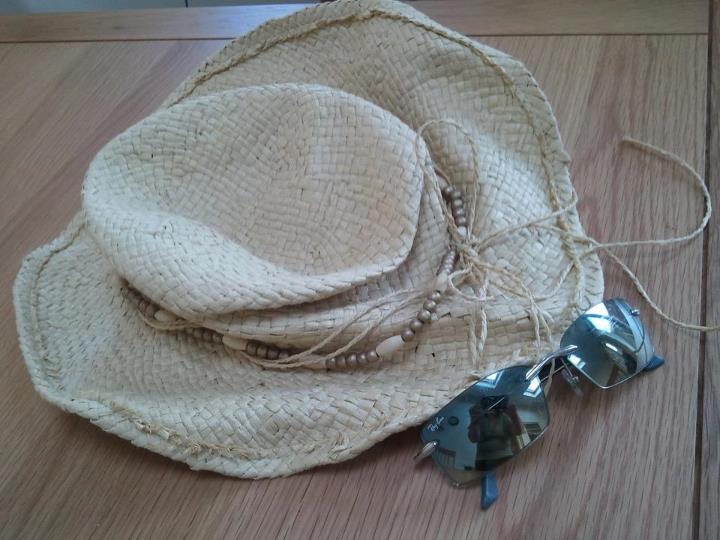
Is your dog used to seeing hats and sunglasses? Some judges will be wearing them so make sure your dog is used to people in hats and sunglasses!

Categories
Uncategorized

Blank/spare entry form

 Blank/spare entry form
Ever needed a spare, blank entry form for entering a second dog in a different partnership or because you can’t get hold of a schedule for a UK conformation show?

Well, in true Blue Peter fashion….Here’s one I made earlier…entry form (Excel) or Entry form (Word) or entry form (PDF)