Categories
Getting started

The importance of Ringcraft classes

The importance of Ringcraft classes
Most people find it easier to learn in one to one or small group situations and many trainers find those who have one to one lessons will learn much quicker. This happens on all walks of life from school education to dog training!

However, Ringcraft classes still are important to you and your dog’s training.

The difference is in one to one sessions you and your dog get individual attention, having time to listen and talk to you and work though many ideas for an hour (or maybe more). At Ringcraft you can be sharing a two-three hour session with 20-30 other people and dogs, without the time and individual attention that you may need.

But why are Ringcraft lessons so important?
It’s quite simple, they are regular (weekly) and cheap enough to attended regularly (price from £1-£4). They are great for socialisation with other dogs of all types and sizes and you can get a few different people to go over your dog and get advice from. They are also great for puppies where the socialisation is so important and also ideal for experienced handlers who just need to practice somewhere different with their latest pup.

Ringcraft is also a great social evening for you, where you will meet other local people with the same interest (dogs!). You will find these same familiar, friendly faces at your local shows.

Ringcraft classes can offer so much and are different to one to one session. I have been a trainer alongside my parents at Stevenage Ringcraft for many years now which was set up by my Grandparents. We are all so proud of any of our Ringcraft ‘babies’ who do well at shows, or other disciplines and we know many other Ringcraft trainers who feel the same way.
Categories
Getting started

The Boots are Made for Walking

What footwear is best in the ring?
Many people ask the question, what footwear they should wear in the ring.

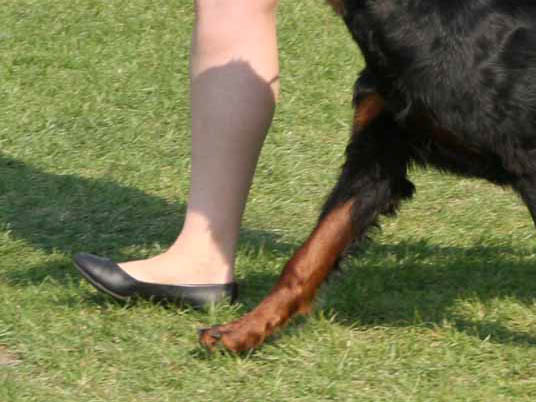
It depends what you find comfortable and what goes best with your outfit. My main two types are worlds apart. Either ballet pumps. Comfy, look OK with suits and come in so many colours there is a pair for each suit. My other showing favourites are my Dubarry boots due to their extreme comfort, warmth, support and grip, plus I just love them and live in them anyway!

When your next at a show, have a look around to see what people are wearing. You will see a variety of different shoe and boot styles.

Think about something that is comfortable to you. Find a shoe that fits well and doesn’t slip off as you move your dog round the ring and that has good grip, you don’t want to be slipping. If you have a small dog and always wear heels, then find a comfy, non-slip pair, but consider what you would wear if you were showing on soft grounds.

Also get used to the idea of wearing wellies/waterproof boots. I have had, on a number of occasion’s worn wellies in the ring along with a majority of exhibitors due to the wet British summer and outdoor shows.

I do believe, gone are the days when you have to wear something unfashionable on your feet in the ring. You will find something that’s fashionable and practical if you look around, try them on and run up and down in the shop!

For men, as always there is less choice but try to avoid trainers. A smart pair of shoes will look good and will go with suit/trousers or help smarten up a pair of jeans. (Sorry men, I’m not up on the male fashion, maybe someone could comment on this blog to advise further!)

Happy shopping and remember, if you’re not moving properly, your dog is unlikely to either. So your shoes could be very important to your dog’s performance.

simple, comfy, black shoes
Categories
Uncategorized

Nothing in life comes for free

Nothing in life comes for free
I saw this picture the other day and just had to share with you all. It is so true on two aspects and worth remembering at all times when training and handling your dog.


Firstly there’s the judge asking for a free stack (or stand as we would say in the UK!) This is becoming more common for judges to ask for a free stand, normally at the end of the movement. This gives the judge a chance to see the dog stand in its own way and doesn’t allow the good handler to hide any faults. Therefore it is important to teach all dogs to free stand and extra work put into those normally stacked.

Secondly there is the dogs thoughts. A dog will rarely do anything for free, they want payment. Remember to reward your dog when they do what you want correctly. This can be with food, toys, fuss or verbal praise. It’s important you let your do know when they do something correct, they will then repeat the behaviour to get the reward again.

What treats or toys do you use to reward your dog?

Categories
Uncategorized

Showing Vs Handling

The difference between handling and showing

I’ve been ask to explain the difference between showing and handling, and trying to find the best way to start and finish this blog is proving difficult. Firstly I would like to note that these are my opinions and each handler/judge may not agree with what I look for in a good handler.

Showing your dog and handling your dog are worlds apart, yet so similar!

When you judge a breed class, you have a breed standard, a blue print of the perfect dog that each judge looks for and while a judge will look past the handler’s skills, a skilled handler can make an OK dog look good, while a bad handler can make a great dog look poor. Handling classes is where you are judged on your skills while remembering some golden rules such has never getting between the dog at the judge.

What I look for in a good handler is one who stand their dog correctly and be aware if it moves, they can move the dog at the correct gait and keep the correct movement while performing the patterns asked, one who encourages their dog, talks to their dog, is a sympathetic handler to the dog and polite and considerate to other handlers, the judge and other officials in the ring.

A good handler will blend into the background so the dog stands out, they move at one with the dog and the bond can be seen between the dog and handler. A polished performance. This is everything that makes a good handler in the show ring and in the handling ring.

All clear as mud isn’t it!

Remember: Handling classes are about showing off your handling skills, not showing off yourself and although it’s deemed you should present yourself well with your attire, this does not make you a better handler than someone who maybe isn’t dressed as well. (I have beaten competition, including my own father, when wearing jeans and a hoodie!)

If anyone wants to learn more about Junior or Adult Handling, Marina Scots website juniorhandling.co.uk has some great hints and tips. There are also a few books available

Junior Handling the White Way by Marina White (now Scott) 

Junior Handling by Felix Cosme 

Junior Handling by Jacqui Hurley 

There’s also Jacqui Hurley’s DVD on Junior handling and Marina Scott’s new Junior Handling DVD 

Take a look though the Our Dogs and Dog World shops for lots more books and DVDs too.

There are many ringcraft classes up and down the country that offer handling training and of course you can always contact Winning Paws for private or small group sessions for either improving your handling in the show ring, or for handling classes.

Categories
Uncategorized

Welcome! The first blog post

Ok, so I guess this is the introduction to the blog for Winning Paws.

The website has been designed and is live – www.winningpaws.co.uk

And the Facebook page is growing in numbers daily – www.facebook.com/winningpaws
So what was left for me to do? Well the blog!

What I aim to achieve with this blog is to answer some FAQs regarding showing, training, handling, pick up on popular discussions and to feedback on any successes from myself or others. So check back often to see the latest hot topics!

If you have any ideas of what topics could be included in the blog, email me at roxanne@winningpaws.co.uk.

Please check back for future blogs and share with your friends.